Compared In This Guide
Top 5 Best Smart Air Fans Worth Considering in 2026
These recommendations are organized by use case so you can compare the right type of smart air fan instead of choosing only by price or a single headline specification.
NOTE: Availability may vary by country. If the exact product isn't showing in your local Amazon store, try searching directly on Amazon, or check our guide to find a similar product that matches your preference
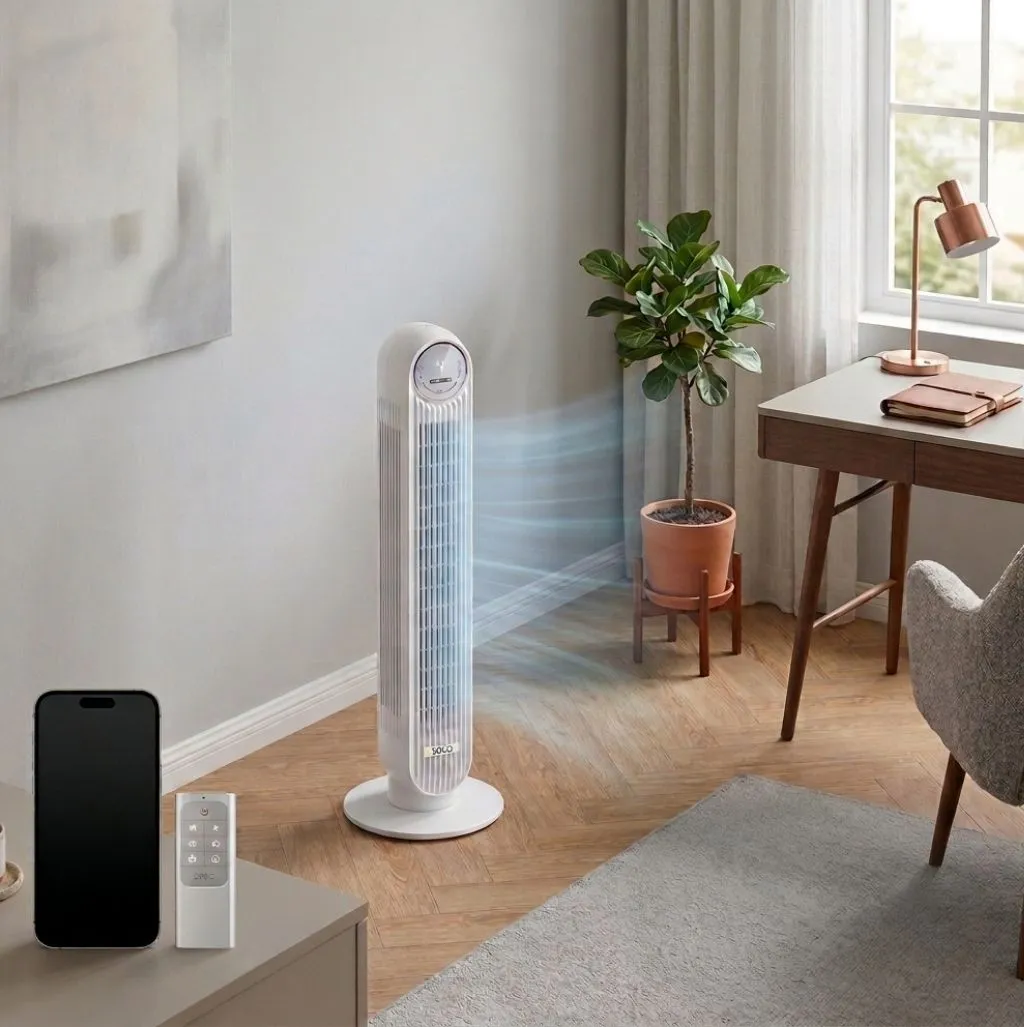
DREO - White Color
DREO Smart Tower Fan
- 90° oscillation spreads airflow across a wider area for more balanced room comfort.
- WiFi and voice controls make everyday fan adjustments easier without manual operation.
- Four modes and four speeds let users customize airflow for different situations.
- Quiet 28dB operation helps provide comfortable airflow during sleep or focused work.
- Smart controls and remote access offer convenient operation from across the room.
- Oscillation and customizable modes make it suitable for bedrooms and everyday indoor use.
- WiFi features may be unnecessary for buyers who prefer simple manual controls.
- Tower fans improve airflow but do not lower the actual room temperature.
Why it's a good pick: A convenient smart tower fan for buyers wanting quiet airflow and flexible controls.
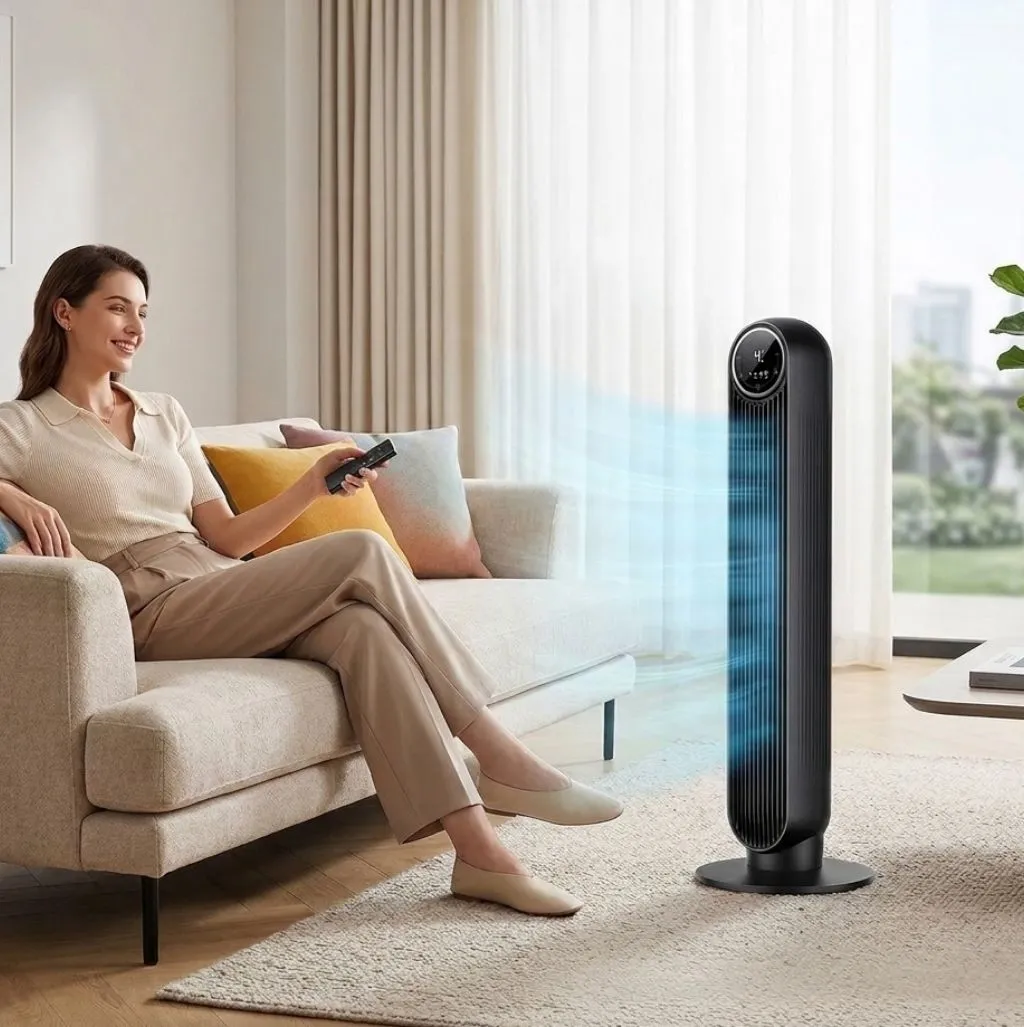
DREO - Black Color
Nomad One Tower Fan
- High-velocity airflow helps circulate air effectively for more comfortable indoor spaces.
- Quiet operation makes the fan suitable for bedrooms, sleep, and focused work.
- Eight speeds and four modes provide flexible airflow for different comfort needs.
- 90° oscillation helps distribute airflow across a wider area of the room.
- Multiple speed settings make it easier to match airflow with personal comfort preferences.
- Quiet operation and remote control offer convenient use during sleep or work.
- A tower fan improves airflow but does not actually lower room temperature.
- This corded design may be less convenient where power outlets are limited.
Why it's a good pick: A versatile tower fan for quiet cooling, wide airflow coverage, and everyday indoor comfort.
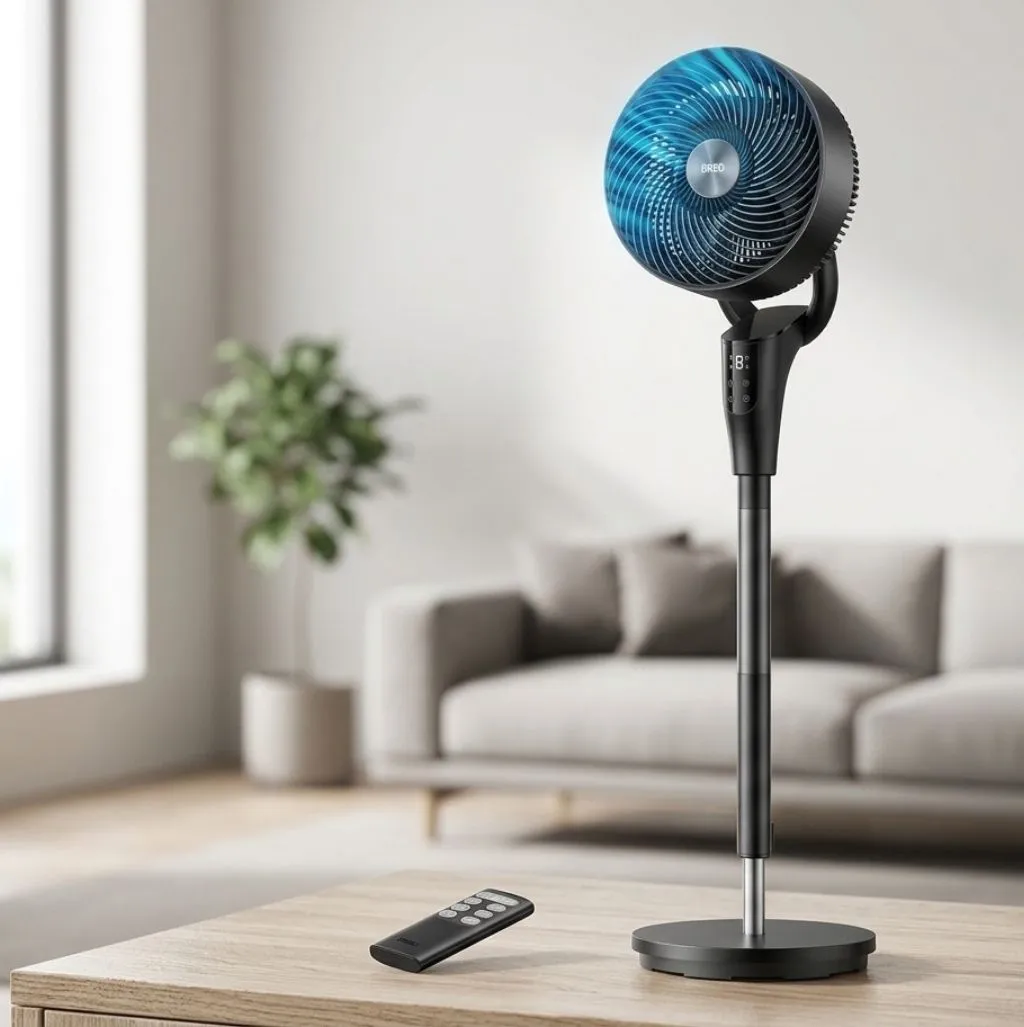
DREO - Black Color
DREO TurboPoly 353 Pedestal Air Circulator Fan
- 90-foot airflow helps circulate air across larger bedrooms, living rooms, and kitchens.
- Quiet 20dB operation makes it suitable for sleeping, studying, and focused work.
- Eight speed settings allow users to adjust airflow for changing comfort needs.
- Adjustable height and oscillation help direct airflow exactly where it is needed.
- Powerful airflow and wide coverage make it useful for circulating air throughout rooms.
- Quiet operation and adjustable controls offer flexibility for bedrooms and everyday comfort.
- Corded operation requires placement near a suitable power outlet.
- Strong airflow does not replace an air conditioner or actually lower room temperature.
Why it's a good pick: A versatile standing fan for buyers wanting powerful circulation, quiet operation, and flexible controls.
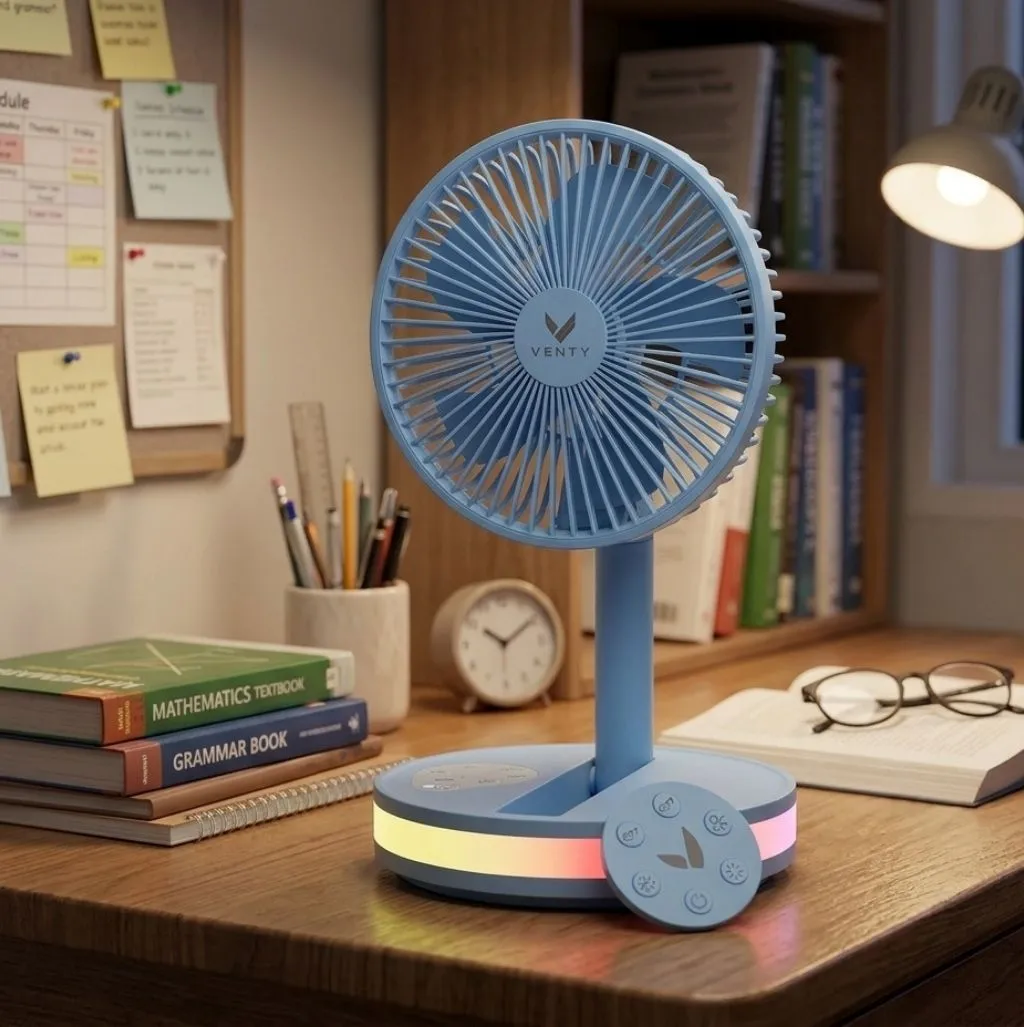
VENTY - Blue Color
VENTY Portable Wireless Oscillating Fan
- Foldable design makes the fan easy to pack for travel, camping, or work.
- Up to 48-hour battery life supports extended wireless cooling between charging sessions.
- 120° oscillation and 180° rotation help direct airflow across different areas.
- USB-C power bank function can charge compatible devices when extra power is needed.
- Long battery life and cordless design make it convenient for travel and outdoor use.
- Foldable construction and adjustable airflow offer flexibility in different spaces and situations.
- Larger than a pocket-sized fan, so it may take extra bag space.
- Battery runtime varies depending on selected speed and other features used.
Why it's a good pick: A versatile portable fan for buyers wanting cordless cooling, travel-friendly design, and flexible airflow.
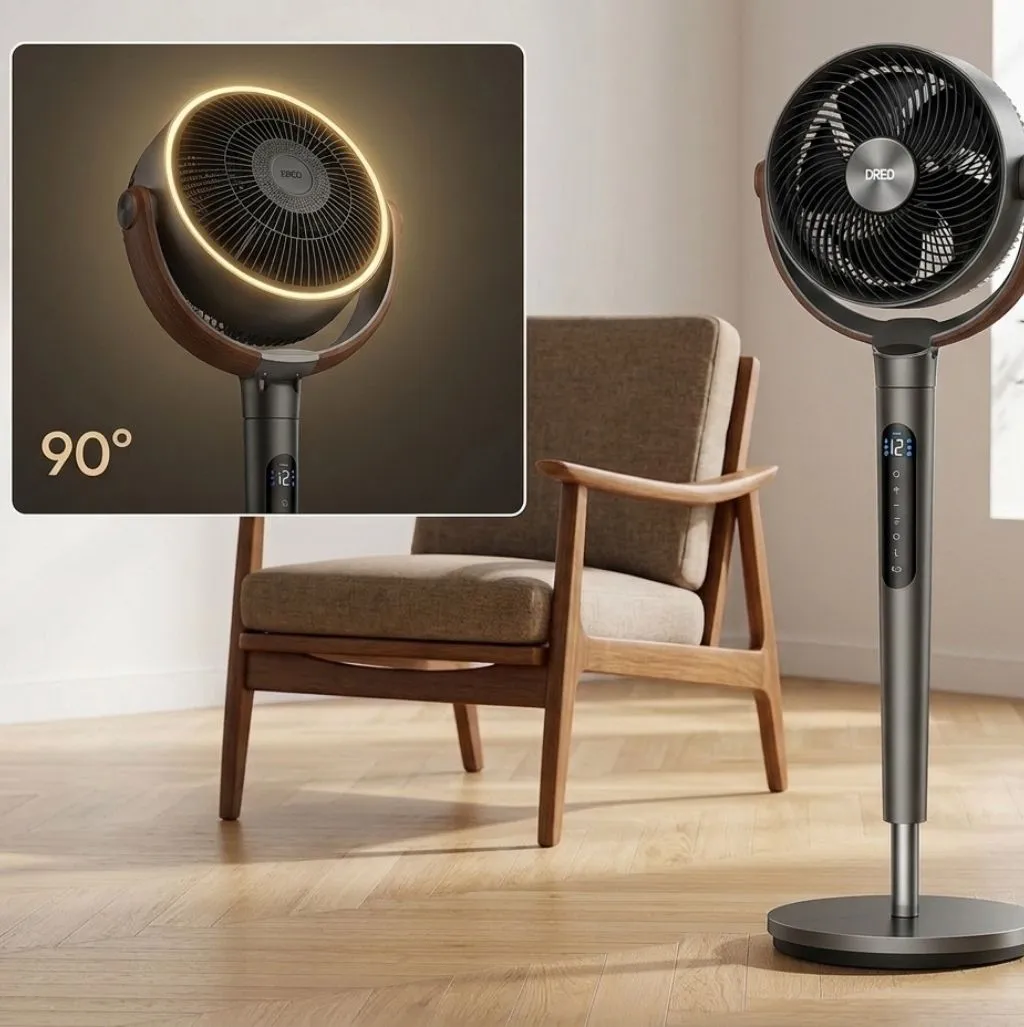
DREO - Gray Color
DREO PolyFan 513S Smart Pedestal Fan
- Omni-directional oscillation helps circulate airflow across wider areas of larger indoor rooms.
- Eight speeds and six modes provide flexible airflow for changing comfort needs.
- Wi-Fi, voice, app, and remote controls offer convenient operation from different locations.
- Adjustable height and quiet operation make it suitable for bedrooms and everyday use.
- Wide oscillation and powerful air circulation help distribute airflow more effectively around rooms.
- Multiple smart control options make everyday adjustments convenient without constant manual operation.
- Smart features may be unnecessary for buyers wanting a simple traditional pedestal fan.
- Requires a power connection, limiting placement compared with rechargeable cordless fans.
Why it's a good pick: Runs quietly enough for sleep or focused work without becoming background noise.